
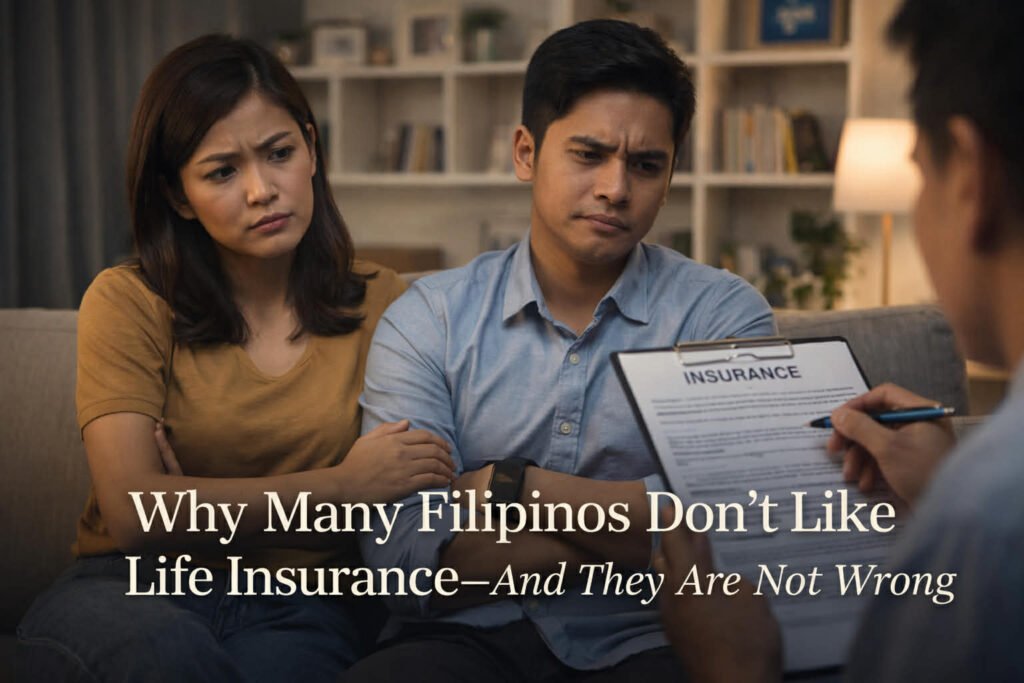
Why Many Filipinos Don’t Like Life Insurance — And They’re Not Wrong
If you feel that life insurance is expensive, confusing, and sometimes disappointing, you are not alone.
And honestly? You’re not wrong to feel that way.
For many Filipinos, life insurance has become something that feels forced, unclear, or regrettable after a few years. You may have heard stories like:
- “Ang mahal pala, hindi ko na kaya ituloy.”
- “Parang lugi ako, ang liit ng value.”
- “Hindi ko naman naintindihan noong kinuha ko.”
- “Ang hirap mag-claim.”
- “Parang agent lang ang kumita.”
These are not rare experiences. These are real sentiments from real people. And instead of dismissing them, we need to understand why they happen.
Because the truth is: the problem is not life insurance itself.
The problem is how it is often explained, sold, and matched to people.
The Mismatch Between People and Policies

Many Filipinos buy insurance without fully understanding:
- What the plan is really for
- How long they are expected to pay
- What happens if they stop paying
- What benefits are guaranteed vs. projected
- Whether the plan actually fits their income and responsibilities
Insurance becomes a product they were persuaded to get, rather than a decision they confidently made.
So when reality sets in — when payments feel heavy, when fund values don’t match expectations, or when needs change — regret follows.
Not because insurance is bad.
But because the right explanation and proper matching did not happen.
What Life Insurance Is Supposed to Be
Life insurance is not meant to be:
- A burden on your monthly budget
- A confusing investment you don’t understand
- A plan you regret after a few years
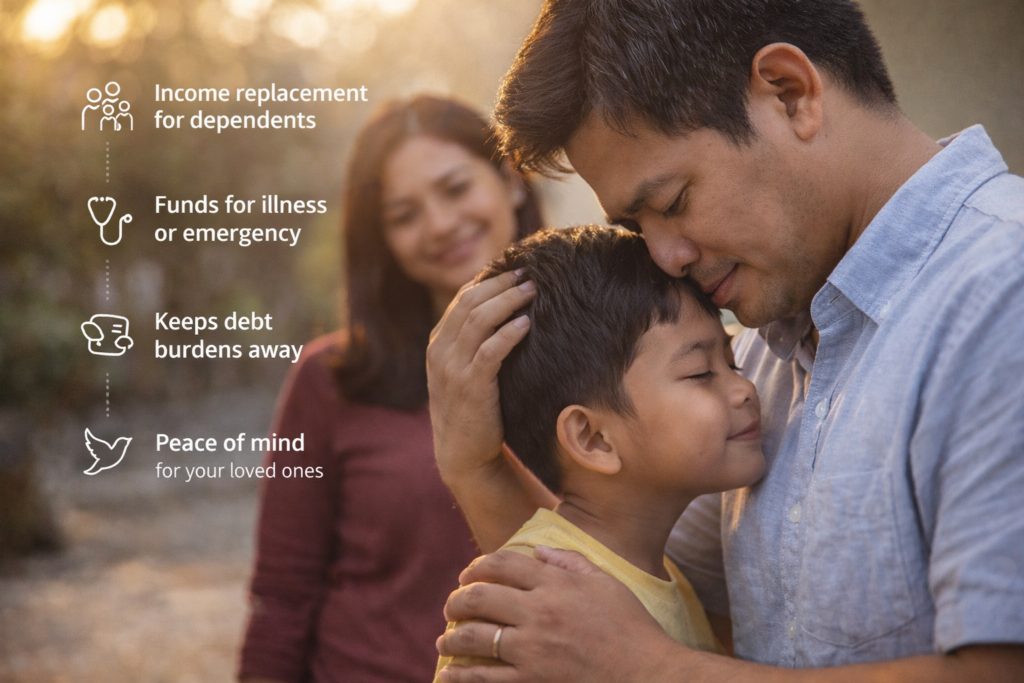
At its core, life insurance is meant to be financial protection for the people who depend on you.
It is meant to:
- Replace income if a breadwinner is gone
- Provide funds during critical illness or medical emergencies
- Prevent families from falling into debt during crises
- Give peace of mind, not stress
It is not about chasing high returns.
It is about preserving dignity for your family when life becomes unpredictable.
Where Things Often Go Wrong

Many frustrations happen because:
- People are offered plans that are too expensive for their income
- The focus is on selling the product, not understanding the person
- Benefits are highlighted, but limitations are not clearly discussed
- Clients are not guided on what to expect in the long term
So when expectations and reality don’t match, trust is broken.
And once trust is broken, people say:
“Hindi na ako kukuha ulit ng insurance.”
How It Should Be Done

The right insurance process is not rushed. It is not pressured. It is not based on fear.
It starts with conversations like:
- What are your current responsibilities?
- Who depends on your income?
- What financial risks worry you the most?
- What amount can you comfortably commit without stress?
Only after understanding these should a plan be recommended.
Because the right insurance is not sold.
It is explained, understood, and chosen.
A Different Way to Look at Insurance

Instead of asking, “Anong plan ang kukunin ko?”
The better question is, “Anong problema sa buhay ko ang kailangan protektahan?”
When you start there, insurance begins to make sense.
Not as a product.
But as a practical tool for real-life situations.
Final Thoughts
If you have hesitations about life insurance, your feelings are valid. They often come from real experiences — yours or someone else’s.
But it’s also worth knowing that when done properly, with the right guidance and understanding, life insurance can be one of the most responsible financial decisions you make for your family.
The key is not finding the most popular plan.
The key is finding the right fit for your life, your income, and your responsibilities.
Because in the end, insurance should give you peace of mind — not confusion, not regret, and not financial strain.
If this article sounded like your own thoughts, you don’t need a quote yet — you need clarity.
Leave a Reply